NewSt. Augustine
Fusion St. Augustine
Bayside Sod’s patent-pending blend of four St. Augustine genotypes, for yards in full sun to moderate shade.
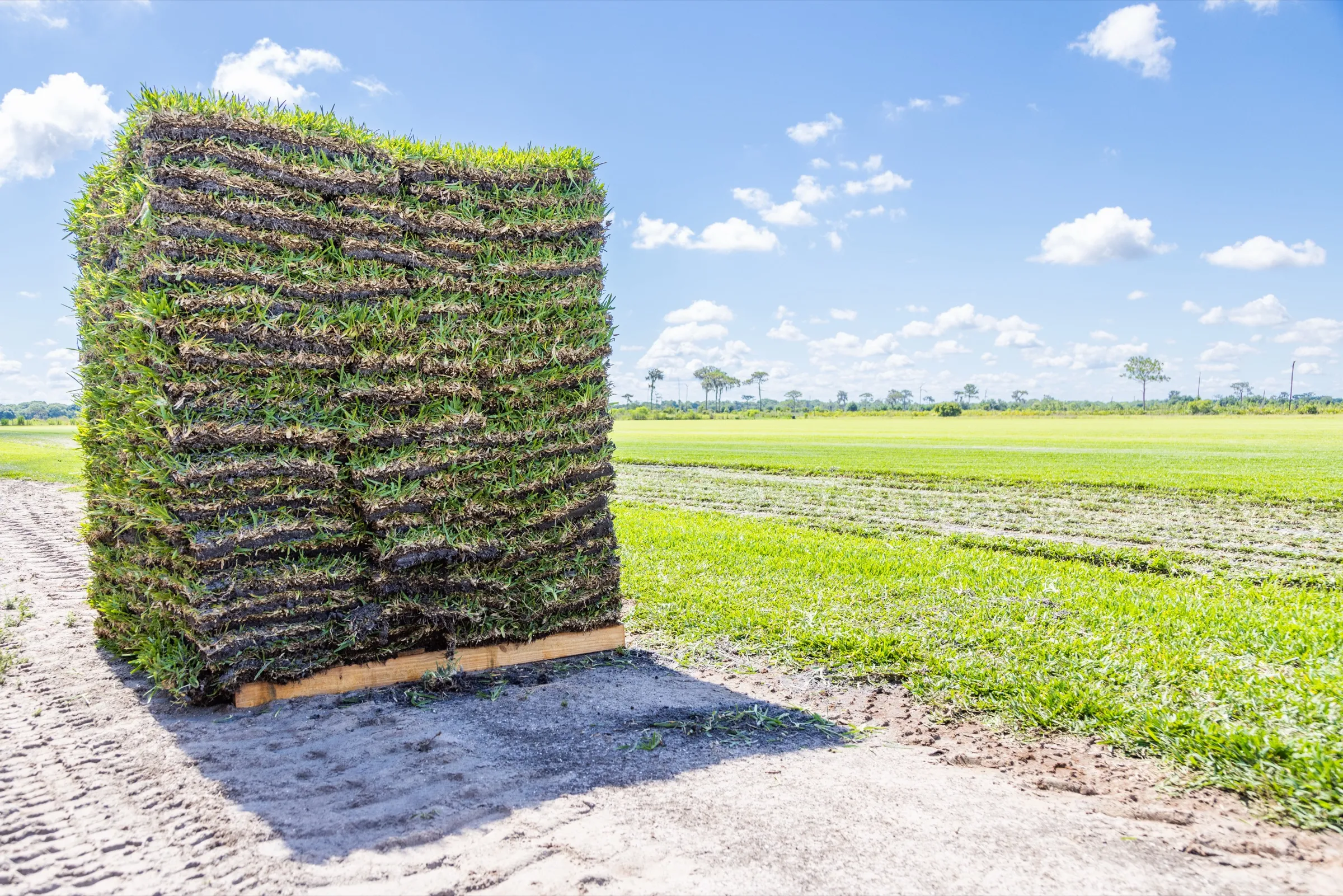
St. Augustine Sod From a Florida Farm
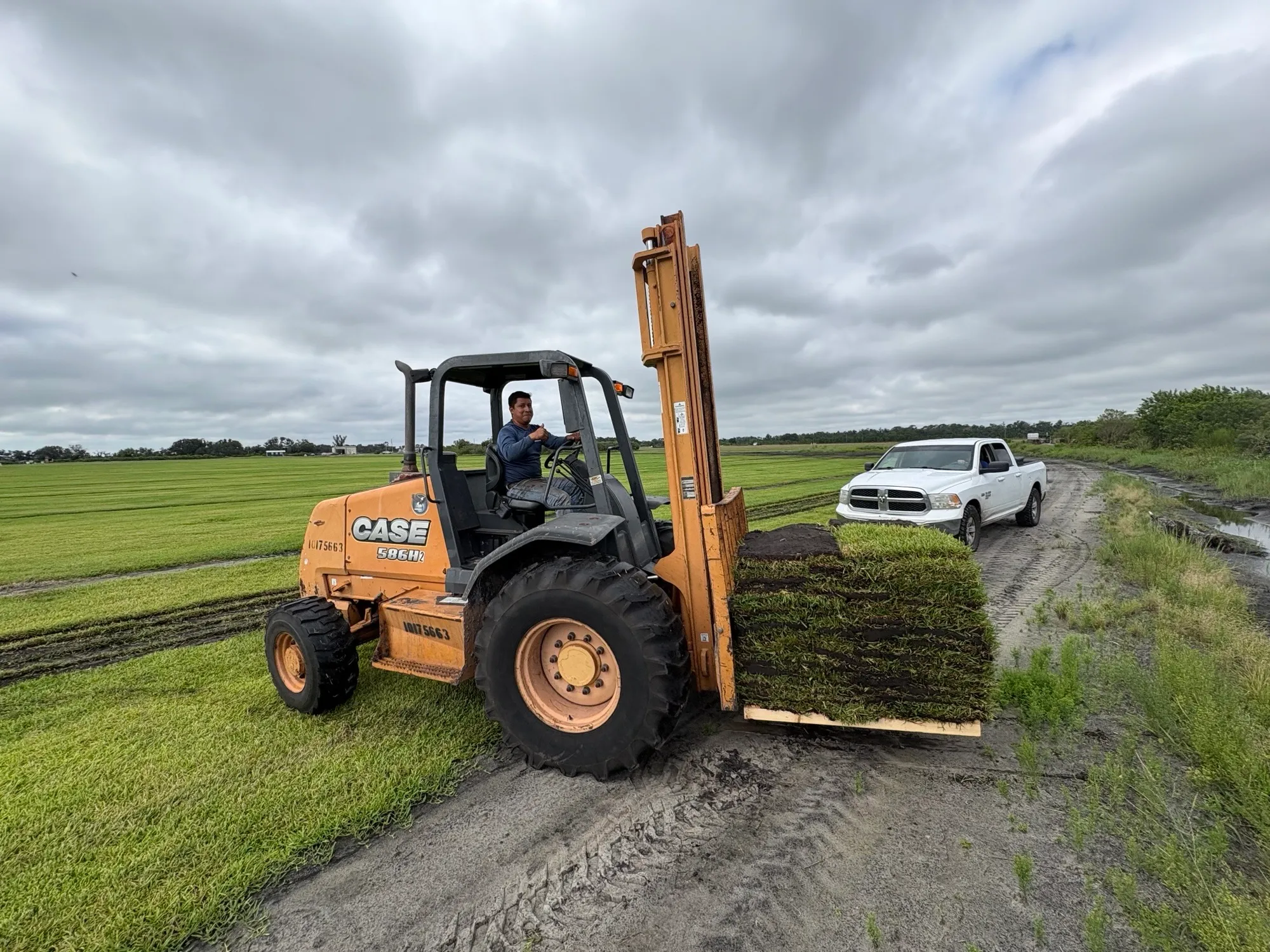
St. Augustine is the broad-bladed, warm-season grass on most Florida lawns, and Bayside Sod grows it on our farm in Bradenton: Floratam for full sun, Bitterblue for shade, ProVista for shade with about half the mowing, and our new Fusion blend for full sun to moderate shade.
St. Augustine is a coarse, broad-bladed, dark green grass that spreads by above-ground runners called stolons, which is how it fills in and recovers from wear. It takes Florida heat and humidity, tolerates the salt air near the coast better than most lawn grasses, and comes in varieties for sun and for shade. It needs permanent irrigation and does not tolerate cold, which is why it dominates from central Florida south and thins out in the north of the state.
It is not grown from seed. St. Augustine produces almost no viable seed, so every St. Augustine lawn started as sod or plugs, and every one of ours started in a field in Bradenton.
Local delivery, watering rules, and the variety that fits each area.
Every one grown on our farm and cut the day it ships.
Bayside Sod’s patent-pending blend of four St. Augustine genotypes, for yards in full sun to moderate shade.
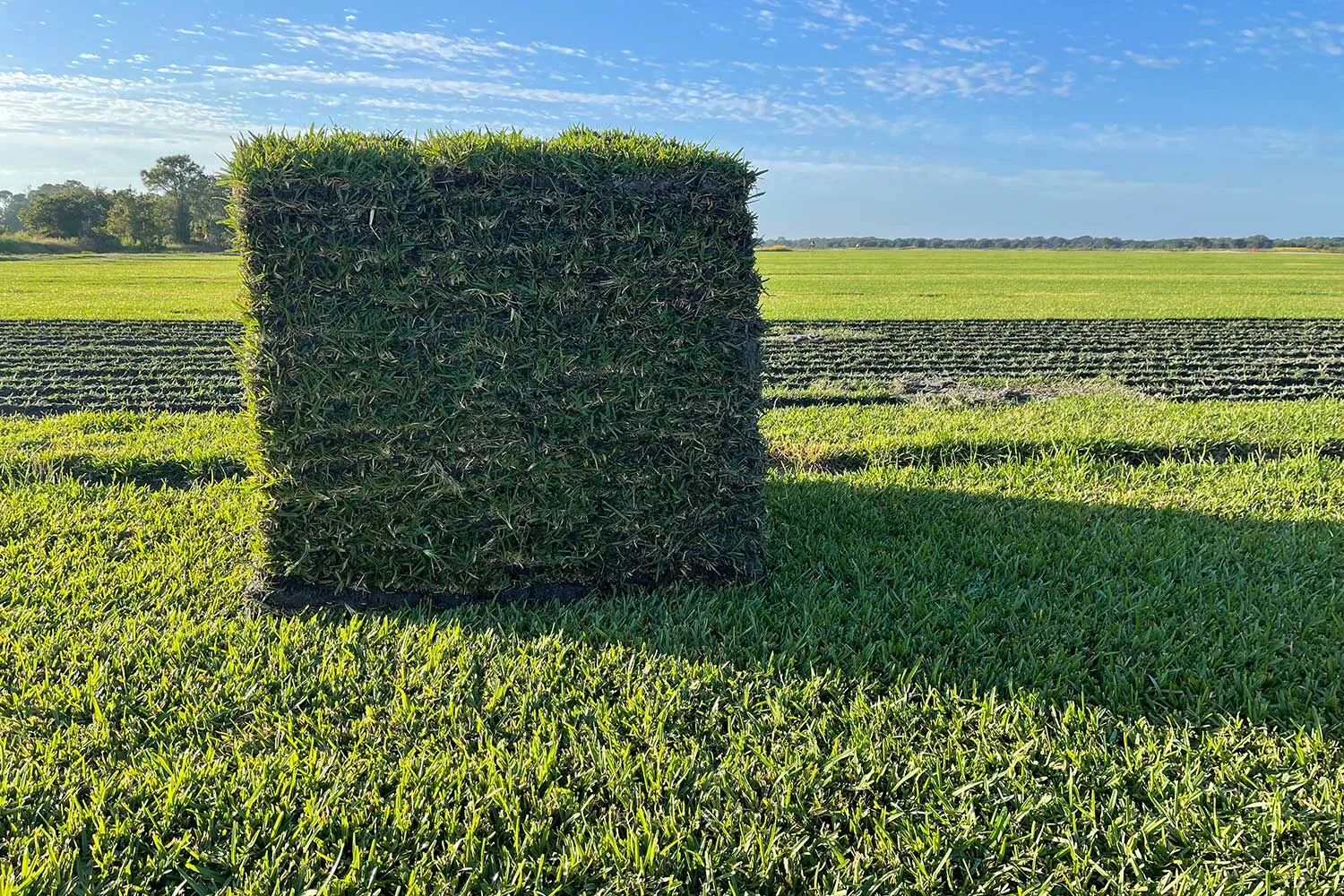
Shade tolerant for yards with up to 60 percent shade, and holds up to pets and moderate traffic.
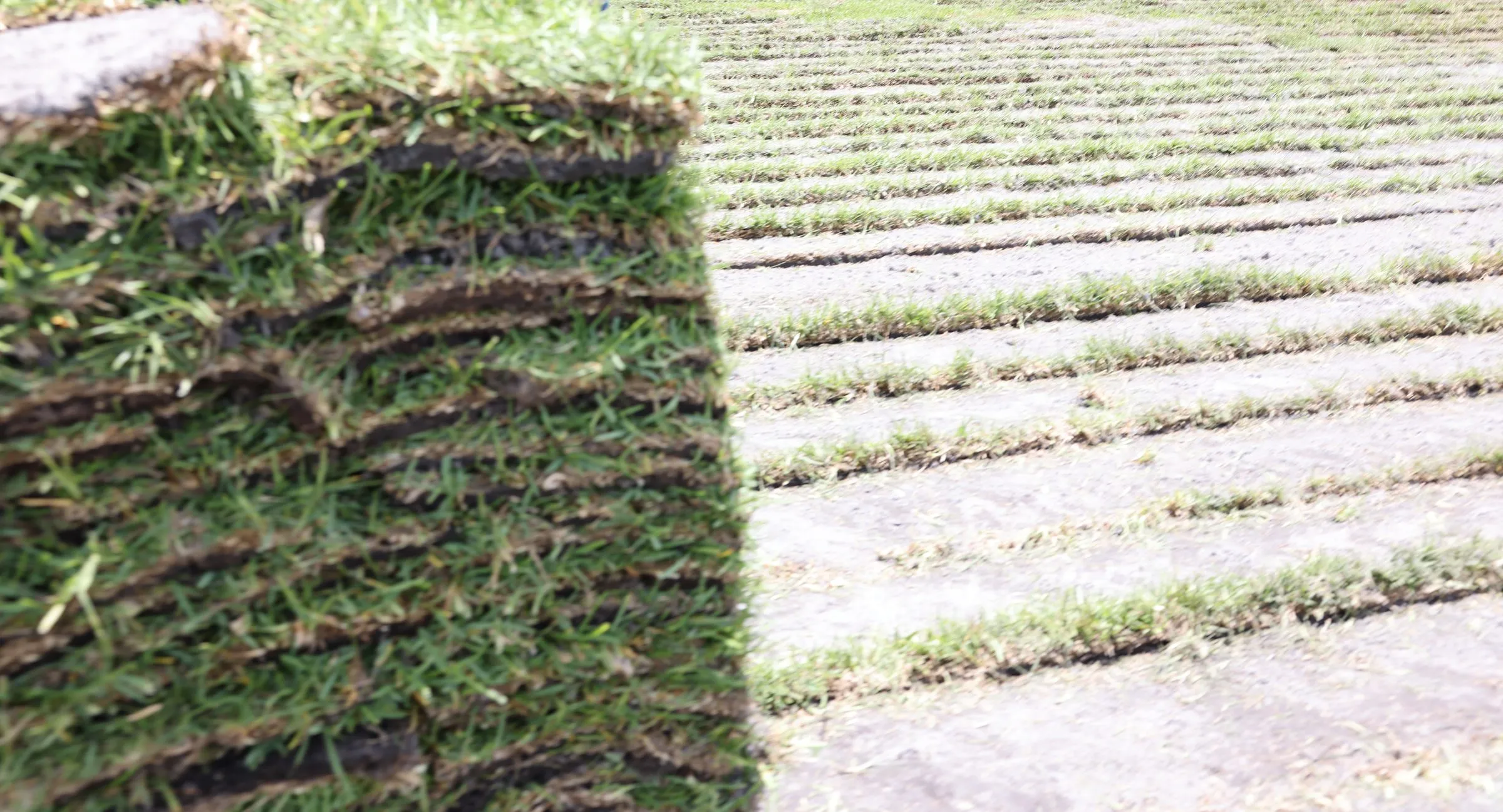
The most common St. Augustine in the area, best for yards with about 80 percent sun.
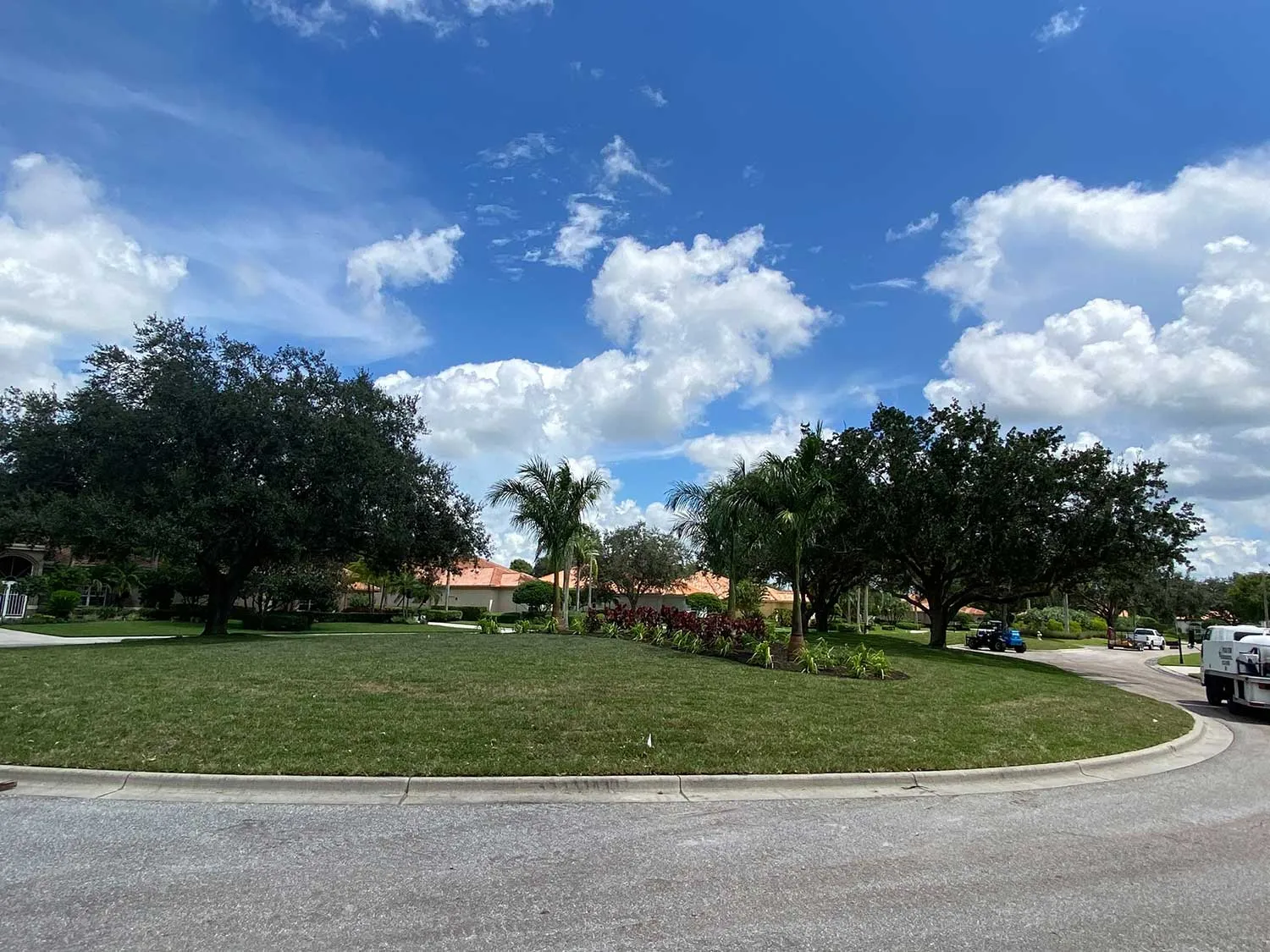
Shade tolerant, resistant to glyphosate for easy weed control, and mowed up to half as often.
| Variety | Sun and shade | Irrigation | Drought resistance | Foot traffic | Maintenance | Establishment time | Blade |
|---|---|---|---|---|---|---|---|
| Bitterblue St. Augustine | Good for full sun, moderate for shade | Permanent irrigation required | Moderate | Good wear, moderate foot traffic | Moderate | Moderate | Broad and coarse |
| Floratam St. Augustine | Good for full sun, limited for shade | Permanent irrigation required | Moderate | Good wear, moderate foot traffic | Moderate | Moderate | Broad and coarse |
| Fusion St. Augustine | Thrives in full sun and moderate shade | Permanent irrigation required | Moderate | Good wear, moderate foot traffic | Routine inputs, the same as any St. Augustine lawn | Moderate | Broad and coarse |
| ProVista St. Augustine | Good for full sun, moderate for shade | Permanent irrigation required | Moderate | Good wear, moderate foot traffic | Lower than other St. Augustine (slower vertical growth) | Moderate | Broad and coarse |
Not Sure Which St. Augustine?
Tell us how much sun the yard gets and whether it has irrigation, and we will recommend one.
Mow at 3 to 4 inches and never take more than a third of the blade; height is the single biggest factor in a St. Augustine lawn's health. Water deeply and infrequently once it is established, early in the morning, and feed it to a soil test rather than a schedule, because Gulf Coast soil often runs alkaline and locks up the iron St. Augustine needs.
Its problems are predictable: chinch bugs and sod webworms in summer heat, large patch when nights cool, and the weeds that move into thin turf. Our year-round lawn care guide puts the whole calendar in one place.
4.9 out of 5 stars from 253 Google reviews
It depends on sun. Floratam is the standard for yards with about 80 percent sun. Bitterblue and ProVista handle up to 60 percent shade; ProVista also tolerates glyphosate for spot weed control and grows slowly enough to be mowed about half as often. Every St. Augustine we grow needs permanent irrigation and at least four hours of good sun a day.
A single piece (16 by 24 inches, 2.67 sq ft) is $3.75 at the farm store. A pallet covers 400 sq ft and is priced by variety and season; call (941) 702-1746 for today's price. Installation runs $1.00 to $1.75 per square foot.
3 to 4 inches, never removing more than a third of the blade in one cut. Tall St. Augustine shades its own roots, holds moisture, and crowds out weeds; scalped St. Augustine invites chinch bugs and crabgrass.
New sod: every day for the first 30 days, then three days a week to day 60. Established: deeply and infrequently, about three-quarters of an inch per watering when the blades start to fold, which under the current District restrictions means one day a week by address. Bahia is the only grass we grow that lives without irrigation, and St. Augustine is not one of them.
Chinch bugs and sod webworms in the heat, large patch fungus when soil temperatures drop to about 70 degrees in fall, and iron chlorosis (yellowing) on alkaline Gulf Coast soil. Our guides on sod webworms, large patch, and soil pH cover each.
Not practically. St. Augustine produces very little viable seed, which is why it is sold as sod or plugs. Sod gives a finished lawn the day it is laid; plugs take a season or more to fill in.
Across Manatee, Sarasota, South Pinellas, and Hillsborough counties, free for homeowners in Bradenton and Sarasota from one pallet. Turf Care, our maintenance program, serves Manatee and Sarasota counties.
Call the farm to have your variety cut, or send the quote form and we will price it with delivery or installation.